- Home
- About IEAC
- Accreditation
- University Accreditation
- College Accreditation
- Online Institution Accreditation
- School Accreditation
- University Recruitment Agency Accreditation
- Programmatic Accreditation
- Teacher/ Lecturer Accreditation
- Religious Institutes Accreditation
- Affiliate Accreditation
- Research Accreditation Candidacy Accreditation
- IEAC Membership
- Institutions Accredited
- Accreditation Process
- Contact Us Webinar Apply Now
Blog
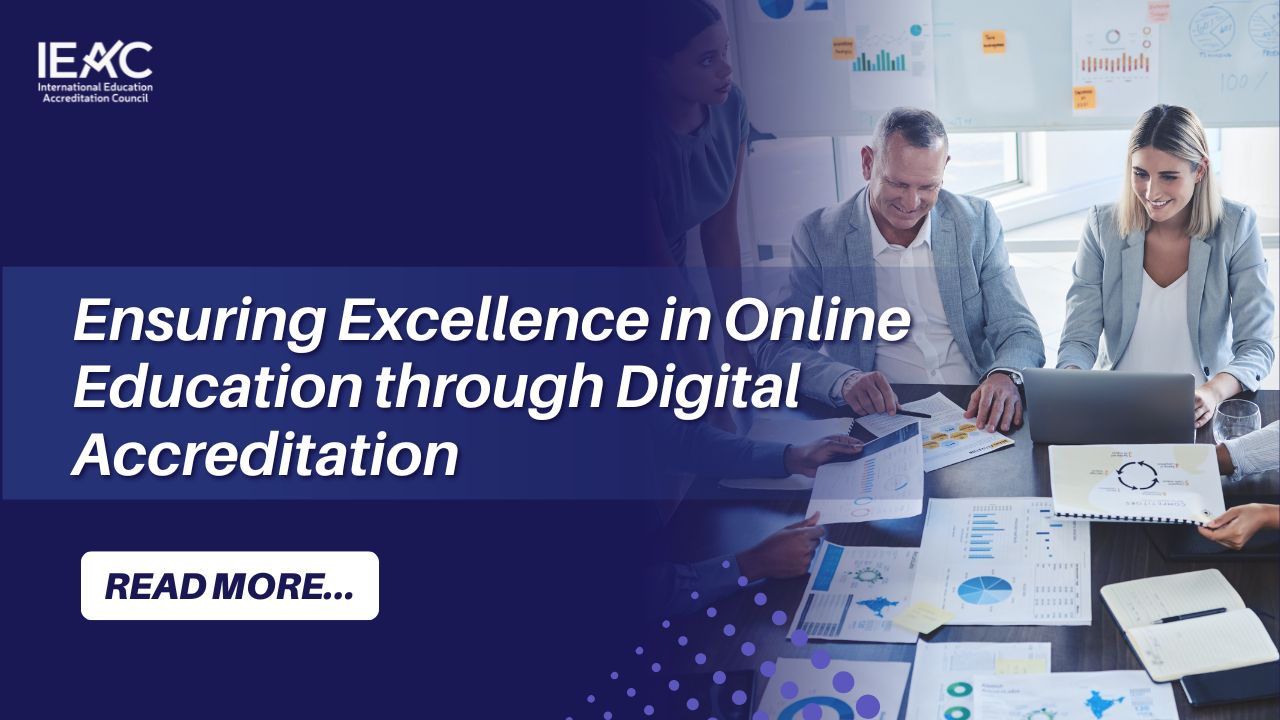
Ensuring Excellence in Online Education through Digital Accreditation
Lorem ipsum dolor sit amet, consectetur adipiscing elit, sed do eiusmod tempor incididunt ut labore et dolore magna aliqua. Quis ipsum suspendisse ultrices gravida. Risus commodo viverra maecenas accumsan lacus vel facilisis.
Ensuring Excellence in Online Education through Digital Accreditation
In today’s fast-paced digital world, online learning has developed as an essential tool for students, professionals, and educators alike. The rise of e-learning platforms has revolutionized the way knowledge is delivered, allowing people to access quality education from the comfort of their homes.
However, with the increasing number of online programs available, the question arises, how can we ensure that these programs maintain the highest standards of education?
The answer lies in digital accreditation, a crucial process that guarantees online learning programs meet established educational standards. This accreditation, provided by recognized accreditation bodies, plays a key role in assuring the quality, credibility, and effectiveness of online courses, ensuring that they align with both academic and industry standards.
The Importance of Education Accreditation
Education accreditation is a formal recognition granted to institutions, programs, or courses that meet specific academic and operational standards. It serves as a mark of quality, offering assurance to students, employers, and the global educational community that the programs adhere to rigorous guidelines that foster student learning, skill development, and job readiness.
For institutions offering online programs, accreditation is even more important. Without it, prospective students may be left wondering whether the degree or certification they earn will be valued by employers or academic institutions. Accreditation ensures that online learning platforms are not only providing educational content but also fostering critical thinking, real-world applications, and essential skills required in today’s competitive workforce.
Digital Accreditation: What It Means for Online Education?
In the digital age, the process of digital accreditation has adapted to the changing landscape of education. The International Education Accreditation Council (IEAC) plays a pivotal role in ensuring that online education meets globally recognized standards. Through digital accreditation, online programs are thoroughly evaluated across several dimensions, including course content, faculty qualifications, learning outcomes, and student support services.
For prospective students, the IEAC’s accreditation provides a sense of security, knowing that the programs they are enrolling in have passed a thorough evaluation process and adhere to international educational standards. This accreditation allows students to trust that their degree or certificate will be recognized globally, increasing their employability and opening doors to international career opportunities.
Why Is Accreditation Important for Online Learners?
Accreditation is frequently viewed as a cornerstone of educational quality. But for online learners, its importance cannot be overstated. Here’s why:
Credibility and Recognition: For students, earning an accredited qualification from an online institution ensures that their education holds weight in the job market. Employers recognize the value of degrees from accredited institutions because they know the programs meet industry standards and prepare graduates for real-world challenges.
Global Opportunities: With international education accreditation such as that granted by the IEAC, online learning becomes globally relevant. Graduates from accredited programs can pursue career opportunities not only in their home countries but also abroad, knowing that their qualifications are recognized worldwide.
Improved Learning Outcomes: Accredited programs are designed to provide students with the knowledge and skills needed to succeed in their chosen fields. Institutions undergo regular reviews to ensure that courses meet evolving industry demands, ensuring that students are well-prepared for future challenges.
Continuous Improvement: Accreditation bodies like the IEAC encourage institutions to continually assess and improve their programs. This commitment to constant improvement helps ensure that students are receiving up-to-date knowledge and relevant skills, making them more competitive in the job market.
The Role of the IEAC in Digital Accreditation
The International Education Accreditation Council (IEAC) is a key player in the global accreditation process, particularly for online programs. With the rise of e-learning, the IEAC ensures that online courses meet strict educational standards, providing a framework for institutions to deliver quality content that aligns with both academic and professional expectations.
The IEAC focuses on fostering a culture of excellence in online education by evaluating institutions across a range of factors, including teaching effectiveness, learning outcomes, and technological infrastructure. Their accreditation process is designed to support educational institutions in providing students with valuable, transferable skills that will enhance their careers.
For students, enrolling in an IEAC-accredited program guarantees that the online course they are taking offers a robust, high-quality learning experience. For professionals, it means investing in a program that is designed to advance their skills and career prospects. This ensures that whether you’re a student or a professional, you are receiving an education that prepares you for the future.
The Growing Demand for Accredited Online Learning
The demand for online education is expected to continue growing rapidly. According to a report by Global Market Insights, the online education market size surpassed $250 billion in 2020 and is projected to grow at a compound annual growth rate (CAGR) of over 20% from 2021 to 2027. This growth is fueled by the increasing number of individuals seeking flexible and accessible learning opportunities, as well as the growing recognition of online learning's effectiveness.
Moreover, industries around the world are increasingly seeking professionals who have developed skills through accredited online programs. In fact, a recent study by the National Bureau of Economic Research found that individuals with certifications from accredited programs were 30% more likely to be hired than those with non-accredited qualifications.
As the world shifts toward digital learning, the role of accreditation in online education will only become more important. For institutions, accreditation ensures that their programs remain competitive, relevant, and of the highest quality. For students and professionals, it ensures that the skills they gain are recognized globally and contribute to their career growth.
To End With
In a world where online learning continues to expand, the importance of digital accreditation cannot be overstated. Accreditation by a reputable accreditation body like the International Education Accreditation Council ensures that online education programs meet the highest standards, providing students with a pathway to success in a competitive global job market. Whether you’re a prospective student seeking a credible online degree or a professional looking to enhance your skills, accreditation offers the assurance that the education you receive will help you achieve your goals.
As the demand for online learning grows, embracing education accreditation becomes a vital step in ensuring quality, accessibility, and recognition for learners across the globe.
Beyond the Accreditation Badge: 5 Questions Every University Should Ask

8th September 2026

31st August 2026

26th August 2026

20th August 2026

12th August 2026

31st July 2026